Charging and Battery Care
Every battery in your phone, watch, earbuds and power bank gets a little weaker with each charge. You cannot stop that, but you can slow it down considerably. Pakistani conditions, with heat, load-shedding and unreliable power, make a few habits especially worthwhile. Here is a practical guide to charging well.
How lithium batteries age
Most portable electronics use lithium-ion batteries. They lose capacity gradually as they go through charge cycles and as they are exposed to heat. They dislike extremes: being left at zero for long periods, being kept at one hundred percent in hot conditions, and getting very hot when charging. The goal is to avoid those extremes where you can.
Keep batteries cool
Heat is the biggest enemy. A phone left on a car dashboard in summer or charged under a pillow can reach damaging temperatures. Take off thick cases if the phone gets very warm while charging, avoid direct sun, and never leave devices in a closed car. If something is too hot to hold comfortably, unplug it and let it cool.
You do not need to charge to 100 percent
Staying roughly between twenty and eighty percent is gentler on a battery than constantly running it flat or filling it to the top. That does not mean you must follow a strict rule; if you need a full charge for a long day, charge fully. Many phones also offer an optimised or limited charging setting, which holds the charge at a lower level overnight. Use it if yours does.
Use a good charger and cable
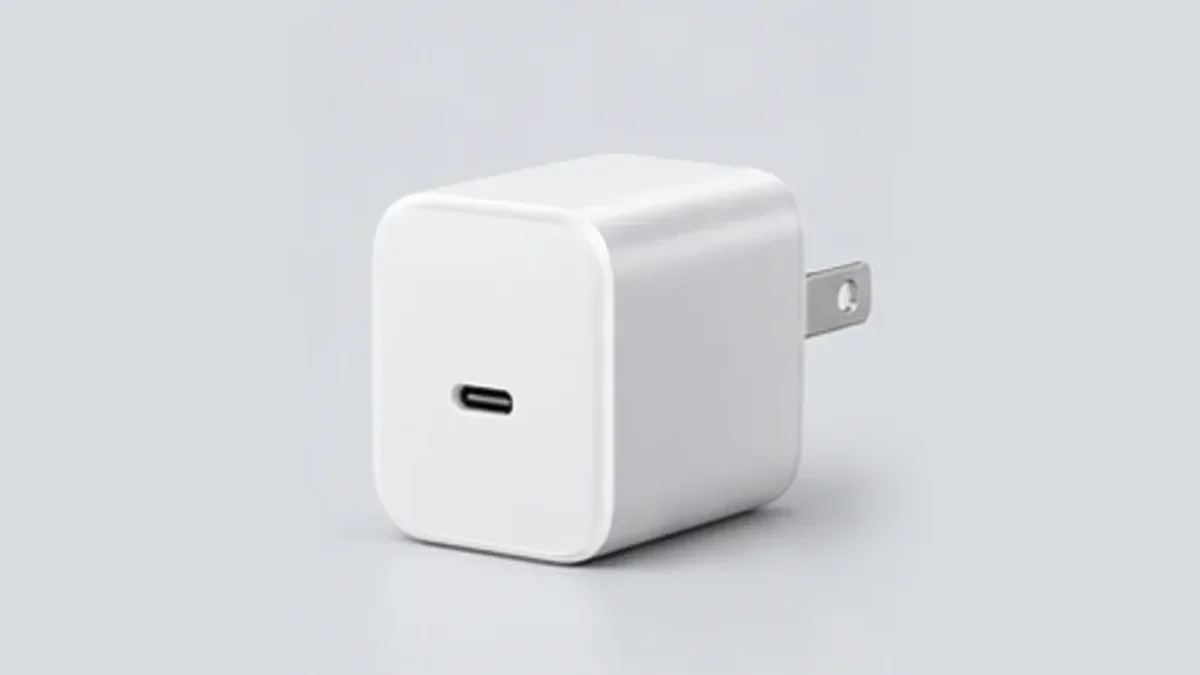
The charger and cable form a team, and a weak link slows charging or causes heat. A quality adapter such as the 65W Fast Charger can charge a laptop and a phone, adjusting power for each device. Pair it with a sturdy cable, like the Braided USB-C Cable, which tolerates daily bending. A worn, frayed or bent cable should be replaced, not taped. Our cables and chargers guide goes into more detail.
Fast charging: helpful, not harmful
Fast charging is safe when the charger and device negotiate power properly. It generates more heat, though, so for overnight charging a slower charger is perfectly fine and gentler. Use fast charging when you need a quick top-up before heading out, and normal charging when you have time.
Power banks and load-shedding
A power bank turns a power cut into an inconvenience rather than a problem. The 20,000mAh Power Bank can charge a typical phone several times, though the exact number depends on the phone, since some energy is lost in the conversion. To get the most from a power bank:
- Charge it fully before long trips or the start of load-shedding season.
- Do not leave it in a hot bag or car.
- Use a good cable for both charging the bank and charging your devices.
- Top it up every month or two even if you do not use it, since batteries drain slowly in storage.
- Take it in your cabin bag on flights, not in checked luggage, and check airline rules.
Protect against surges
Voltage spikes and sudden outages can harm chargers and the devices connected to them. A surge protector like the Surge Protector Strip offers an inexpensive layer of protection, especially for desks and TV corners with many plugs. Unplug expensive chargers during storms.
Earbuds and watches
Small batteries age the same way. Do not leave earbuds in their case in a hot place, avoid draining them to zero repeatedly and use the cable supplied or a quality alternative. For the Active Smartwatch, charge it at a convenient time each day, for instance while you work at your desk, so the habit is easy and the battery stays healthy.
Signs it is time to replace
If a device runs out of charge far sooner than it used to, shuts off unexpectedly, swells or gets unusually hot, stop using it and seek help. A swollen battery is a safety risk; do not press on it or keep charging. Contact the manufacturer or an authorised repair centre.
Storing devices for a long time
If you will not use a device for months, store it at about half charge in a cool, dry place and check on it occasionally. Do not store a fully drained battery, which can fall to a level where it will not recover.
Short checklist
- Keep devices cool.
- Avoid living at 0 or 100 percent.
- Use quality chargers and cables.
- Protect with a surge strip.
- Keep a charged power bank ready.
Need help choosing the right adapter or bank? Message us on WhatsApp with your devices and we will recommend a setup, or browse Power and Charging. Our warranty guide explains what is covered if a product fails.